Skip to content
SBBS – The Society of Biomedical and Biotechnology Scientists
Home
Log In
Register
Log In
Log In
Username or Email Address
Password
Remember Me
Register
Lost your password?
News
“Primed” for Infection: Cells Damaged by Chronic Lung Disease Can Result in Severe COVID
CRISPR meets Pac-Man: New DNA cut-and-paste tool enables bigger gene edits
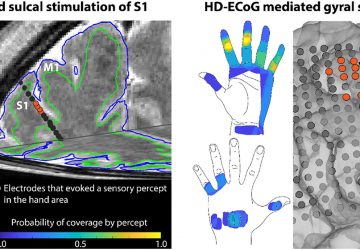
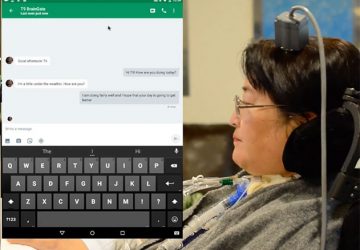
Researchers evoke sense of touch through brain implant electrodes
Scientists Use Lipid Nanoparticles to Precisely Target Gene Editing to the Liver
Mini Human Livers Grown in Lab Successfully Transplanted Into Rats
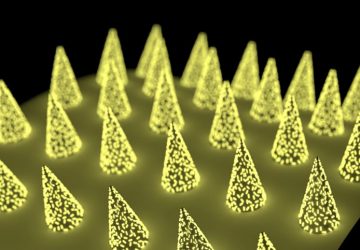
No More Needles for Diagnostic Tests? Engineers Develop Nearly Pain-Free Microneedle Patch
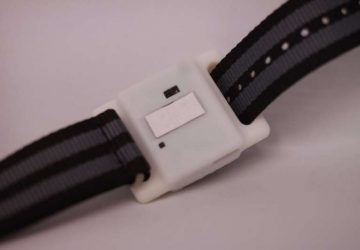
Sweat sensor could alert doctors, patients to looming COVID cytokine storm
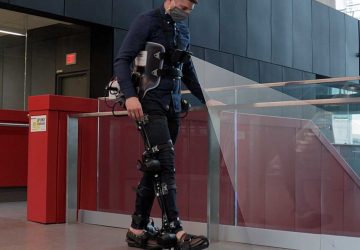
Robotic Exoskeletons Could One Day Walk By Themselves
The Ultimate Incubator: The Brave New World of Bionic Babies
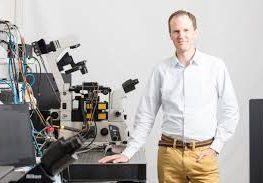
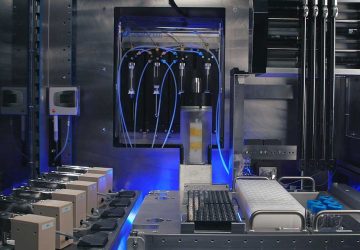
Robotics, AI, and Cloud Computing Combine to Supercharge Chemical and Drug Synthesis
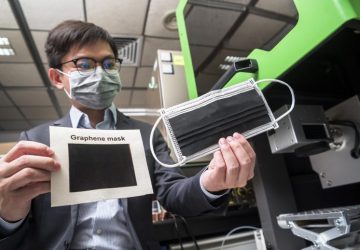
New Graphene Face Masks Offer Very High Anti-bacterial Efficiency, Deactivation of Coronaviruses
Electronic Blood Vessels to the Rescue
Detecting COVID-19 in Less Than 5 Minutes With a Paper-Based Electrochemical Sensor
Genetic Engineering 2.0: An On-Off Switch for Gene Editing
Membrane nanoparticles acts as a bait to trap SARS-CoV-2
AI with swarm intelligence learns to detect cancer, lung diseases and COVID-19
Bio-Inspired Slow-Release System: Mimicking Nature To Provide Long-Lasting Local Anesthesia
Early Detection of SARS-CoV-2 (COVID-19 Virus) With New Photonic Sensor System
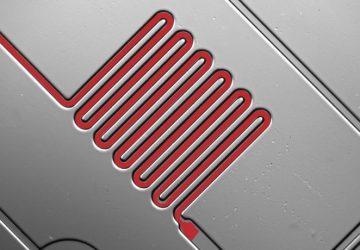
The Interrogator system links ten organs-on-chips to predict how a human body metabolizes drugs
Exclusive Q&A: Neuralink’s Quest to Beat the Speed of Type
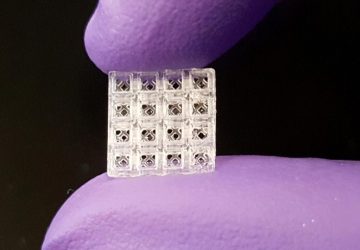
New shape-changing 4D materials hold promise for morphodynamic tissue engineering
Weighing Cancer Cells To Personalize Drug Choices and Help With Treatment Decision-Making
New DNA Technology Based on CRISPR Could Revolutionize Medical Diagnostics
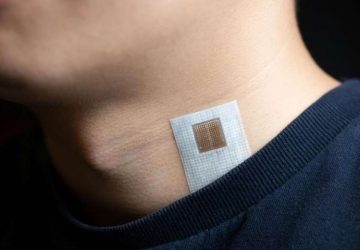
Soft skin patch could provide early warning for strokes, heart attacks
Pitt team receives NIH award to optimize tissue-engineered vascular graft design
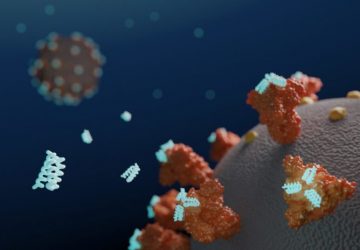
Lab Tests Show Minibinder Proteins Are as Effective as Antibodies at Blocking SARS-CoV-2
New Sensor Detects COVID-19 and Variants on People’s Breath – Even When They Are Asymptomatic
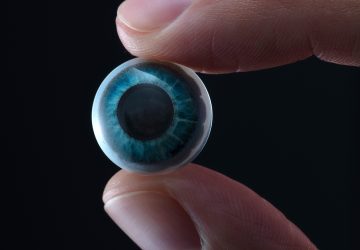
Mojo Vision Details Low-Power Chips for Augmented Reality Contact Lenses
Xenobots 2.0: Scientists Create the Next Generation of Living Robots
Sticker-Like Medical Device Offers Continuous Monitoring for COVID-19
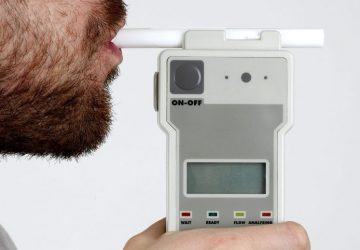
COVID-19 Coronavirus Breathalyzer Test Developed
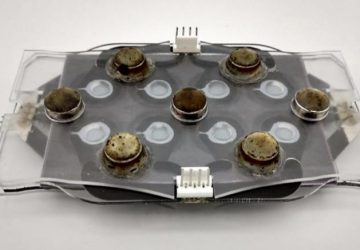
New biochip technology for pharma research
Building a Better Bioartificial Pancreas for More Effective Treatment for People With Type 1 Diabetes
Innovative Coating for Blood Vessels Substantially Reduces Rejection of Transplanted Organs
Advanced Computer Model Enables Improvements to “Bionic Eye” Technology
New “Cyborg” Technology Could Enable Merger of Humans and AI
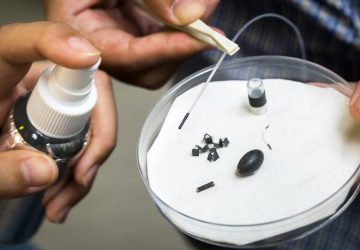
New Magnetic Spray Transforms Objects Into Insect-Scale Robots for Biomedical Applications
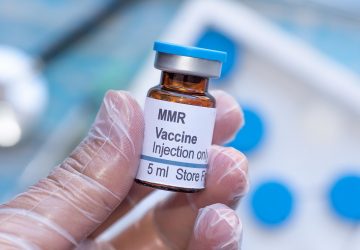
Live attenuated vaccines may prevent lung inflammation and sepsis associated with COVID-19
LEGO-Inspired 3D-Printed Bricks Help Broken Bones Heal Faster
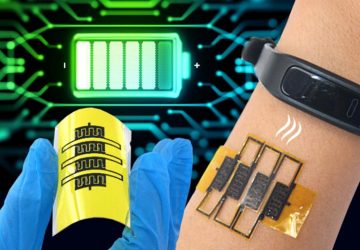
Stretchable Micro-Supercapacitors That Can Harvest Energy From Human Breathing and Motion
Tiny Devices to Heal Wounds Faster and Diagnose Disease Instantly
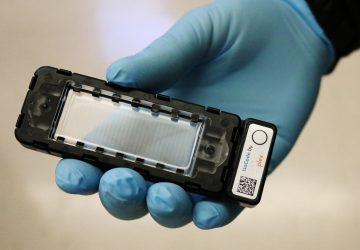
New Device Offers Faster Way to Detect Antibiotic-Resistant Bacteria
“Mini” CRISPR Genetic Editing System Engineered – Easier To Deliver Into Human Cells for Gene Therapy
Pages
About US
Log In
Log out
Lost Password
Nanoparticles for 3-D printing in water open door to advanced biomedical materials
Popular Articles
Register
Reset Password
Your Profile
Who we are ?
Mission
Where we work
Leadership
Advisory board
Scientific board
Biomedical and Biotechnology Research Journal
Statistics
Today's Visits:
567
Today's Visitors:
55
Yesterday's Visits:
390
Yesterday's Visitors:
69
Total Visits:
694,305
Total Visitors:
172,582
Your IP : 3.135.213.214
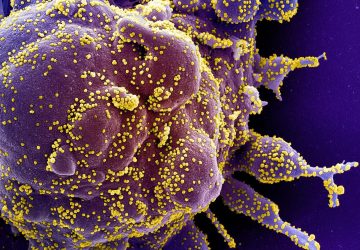 “Primed” for Infection: Cells Damaged by Chronic Lung Disease Can Result in Severe COVID