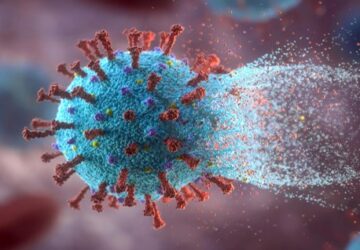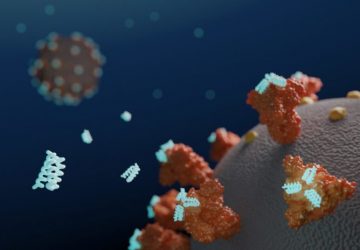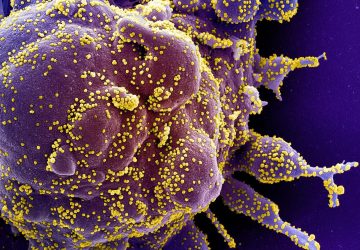
Researchers have identified a group of natural compounds from a Brazilian tree that show promising activity against the virus responsible for COVID-19. The compounds, known as galloylquinic acids, were extracted from the leaves of Copaifera lucens Dwyer, a species native to Brazil’s Atlantic Forest. Laboratory findings suggest these molecules can interfere with the virus in several different ways, offering a broader approach than many existing antiviral strategies.
The research focused on Copaifera lucens because the team, led by Jairo Kenupp Bastos from the Ribeirão Preto School of Pharmaceutical Sciences at the University of São Paulo (FCFRP-USP), has long studied the chemistry and medicinal properties of plants in the Copaifera genus. Their prior experience helped guide the selection of this species for detailed investigation.
Testing Safety and Antiviral Activity
With support from FAPESP, the researchers first isolated and characterized extracts from the leaves that were rich in galloylquinic acids. They then evaluated whether these compounds were safe for cells using cytotoxicity tests, an important step before assessing antiviral effects. To measure how well the compounds could combat the virus, the team used plaque reduction assays. This method evaluates how effectively a substance can neutralize viral particles. The results showed clear activity against SARS-CoV-2.
Next Steps and the Role of Biodiversity
Although the results are encouraging, additional research is required before these compounds can be developed into a treatment. Future steps include testing in living organisms and conducting clinical trials in humans. The study highlights the value of exploring natural sources for new medicines. It also reinforces the importance of biodiversity, pointing to Brazilian plant life as a rich and strategic resource for discovering novel therapeutic compounds.
Source: https://www.nature.com