Scientists have found evidence that some gut bacterial populations can spread rapidly between people and across continents, suggesting the microbiome may be more transmissible than previously thought. The research also revealed hidden bacterial groups associated with aging, colorectal cancer, inflammatory bowel disease, and type 2 diabetes. The human gut is home to trillions of microorganisms (the microbiome), a vast community that helps shape digestion, immune function and metabolism. Now, researchers…
Read MoreScientists discover bacteria can “explode” to spread antibiotic resistance
Scientists have uncovered a surprising twist in how bacteria share genes—including those that spread antibiotic resistance. Tiny virus-like particles called gene transfer agents (GTAs), once ancient viral invaders, have been repurposed by bacteria into delivery systems that shuttle DNA between neighboring cells. The study reveals a key control hub of three genes, dubbed LypABC, that triggers bacterial cells to burst open and release these DNA-packed couriers. Scientists have uncovered new…
Read MoreScientists stunned as bacteria rewire DNA machinery to shape cells
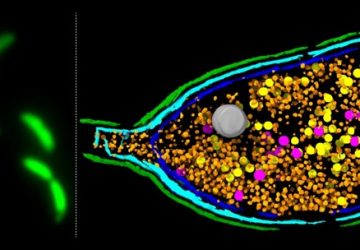
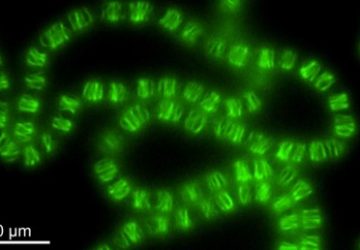
Cyanobacteria—ancient microbes that oxygenated Earth and made complex life possible—are still revealing surprises billions of years later. Scientists have now discovered that a molecular system once used to separate DNA has been repurposed into something entirely different: a structure that shapes the cell itself. Photosynthetic bacteria played a major role in shaping Earth as we know it. Among them, cyanobacteria stand out for producing the oxygen that filled our atmosphere…
Read MoreYour sleep may be hiding an early clue to Alzheimer’s
Tiny disruptions during sleep may reveal clues about Alzheimer’s risk long before the first memory problems begin. Frequent micro-awakenings during sleep were linked to higher genetic risk for Alzheimer’s in healthy middle-aged adults who had no symptoms. The discovery raises the possibility that subtle changes during sleep could offer an early warning signal years before memory problems appear. Could subtle changes during sleep reveal vulnerability to Alzheimer’s disease years before…
Read MoreSmart nanoparticles light up brain cancer and destroy what surgery misses
Scientists created smart nanoparticles that can both illuminate hidden glioblastoma cells during surgery and destroy microscopic cancer left behind afterward. In mice, the treatment prevented recurrence and led to 100% survival at 60 days, though it has not yet been tested in humans. Glioblastoma is considered the most aggressive type of brain cancer. One reason it is so difficult to treat is that cancer cells spread into nearby brain tissue….
Read MoreYour genes may decide whether a low-carb diet sends cholesterol soaring
A low-carb diet may raise LDL cholesterol much more sharply in people who are genetically predisposed to high cholesterol, particularly when they consume lots of saturated fat. The findings could help explain why people following seemingly similar diets can have dramatically different results. Low-carb diets have become increasingly popular, but their effects on cholesterol are far from uniform. Some people see little change, while others experience a substantial increase. New…
Read MorePeople who live past 110 have an unusual abundance of killer immune cells
People who reach 110 and beyond appear to have unusually large numbers of rare immune cells capable of killing abnormal cells. These CD4 cytotoxic T cells became more common with age and often expanded into large groups of nearly identical cells, suggesting the immune system was repeatedly responding to persistent threats. People who live to exceptionally old ages may retain an immune system that continues adapting to new threats. Researchers…
Read MoreA major Alzheimer’s risk gene may shrink brain cells years before symptoms
Researchers have uncovered a possible reason why the Alzheimer’s risk gene APOE4 can disrupt the brain long before memory problems begin. In mice, APOE4 increased a protein called Nell2, shrinking neurons and making memory circuits unusually active. That early hyperactivity predicted worse memory later in life. Reducing Nell2 in adult mice reversed the abnormal changes, raising hopes for a new way to intervene before Alzheimer’s progresses. Millions of people carry…
Read MoreThis common vitamin was linked to 13% better cognitive scores
Older adults with mild cognitive impairment and sleep problems who took at least 5,000 IU of vitamin D daily scored more than 13% higher on a cognitive test than those taking none. The preliminary findings suggest vitamin D could be worth studying as a potentially modifiable factor during an early window of cognitive decline. More than 7 million Americans are currently living with Alzheimer’s dementia, and that number is expected…
Read MoreThis weight-loss hormone may protect the liver even without weight loss
A hormone already known for curbing appetite and supporting weight loss may have a surprising second job: protecting the liver from inflammation and scarring. Researchers at McMaster University found that GDF15 activates a previously unknown brain-to-liver pathway that triggers the release of glucocorticoids, helping calm immune activity in the liver. Researchers at McMaster University have uncovered an unexpected role for a naturally occurring hormone already known for reducing appetite and…
Read More