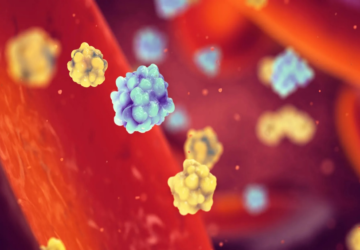
A new study found that chronic wasting disease can sometimes spread silently, with infectious prions present even in animals that show no symptoms. While there is no confirmed human risk, researchers say the disease’s ability to evolve and spread across species warrants close attention. Scientists uncovered a hidden side of chronic wasting disease: infectious prions may spread unnoticed, raising new questions as the fatal wildlife disease continues to expand. Chronic…
Read MoreScientists discover inherited traits that break Mendel’s Laws of genetics
A major mouse study found that some inherited traits are passed down through epigenetic changes that break the classic rules of genetics. Researchers discovered hundreds of cases where these chemical DNA marks behaved unexpectedly, including some that seemed to emerge out of nowhere. They also identified the first known naturally occurring paramutation in a mammal, hinting that environmental influences may play a larger role in inheritance than scientists realized. Genetic…
Read MoreScientists find natural compounds that hit COVID-19 from every angle
Researchers have identified a group of natural compounds from a Brazilian tree that show promising activity against the virus responsible for COVID-19. The compounds, known as galloylquinic acids, were extracted from the leaves of Copaifera lucens Dwyer, a species native to Brazil’s Atlantic Forest. Laboratory findings suggest these molecules can interfere with the virus in several different ways, offering a broader approach than many existing antiviral strategies. The research focused on Copaifera…
Read MoreGenetic Breakthrough as “Longevity Gene” Successfully Extends Lifespan in Mammals
ROCHESTER, N.Y. — In a groundbreaking study that could redefine the future of aging research, scientists at the University of Rochester have successfully transferred a longevity gene from naked mole rats to mice. The result is a significant improvement in health and a notable extension of the mice’s lifespan. Scientists borrowed a longevity secret from naked mole rats and used it to make mice healthier and live longer. Naked mole…
Read MoreSeal Adaptation Boosts Reproductive Health
Wild animals that have acquired adaptions to maximize their reproductive output in some of the world’s most extreme conditions may provide answers to some of the most pressing problems in the field of human reproductive health. A newly published article by Michelle Shero, assistant scientist at the Woods Hole Oceanographic Institution’s (WHOI) Biology Department, examines how the study of seals in particular can benefit human health, and it integrates various…
Read MoreChallenges of Tuberculosis in Iran
Abstract Background: Despite the implementation of the national control program, tuberculosis is one of the greatest health problems in Iran. The prevalence of different strains in specific ethnic populations suggests that Mycobacterium tuberculosis transmission has been limited and restricted to close contact. Objectives: In the present review, we describe the epidemiology of tuberculosis in Iran. Methods: In this review article, databases including Scopus, PubMed, and Google scholar were used to search for…
Read More