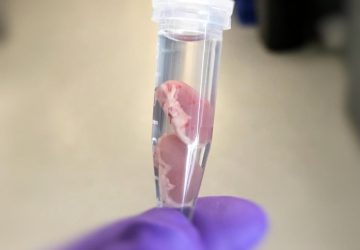
Beginning around age 50, the brain’s memory center appears to lose many of its longtime immune cells and replace them with more inflammatory ones. This surprising shift may help explain how normal aging sets the stage for Alzheimer’s disease and dementia.
A hidden immune-cell transformation beginning in midlife may help explain why the aging brain becomes increasingly vulnerable to inflammation and dementia.
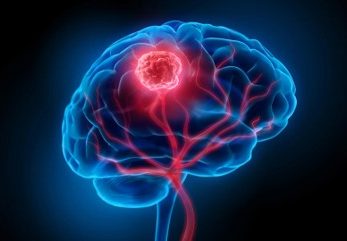
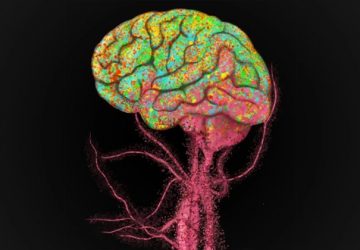
A study funded by the National Institutes of Health (NIH) has uncovered a major shift in the immune environment of the hippocampus, the part of the brain that plays a central role in learning and memory. The findings suggest that this immune remodeling begins in midlife and may help explain how aging contributes to the long lasting brain inflammation often seen in neurodegenerative diseases.
“Aging is the single largest risk factor for dementia, but our understanding of how it drives disease is still incomplete,” said Richard Hodes, M.D., director of NIH’s National Institute on Aging (NIA). “This previously hidden microglial shift, now uncovered by innovations in technology and thinking, may be an important clue to help us complete the puzzle.”
https://www.sciencedaily.com/releases/2026/08/260806050700.htm