Researchers found that insulin-producing cells depend on a team of helper proteins to keep insulin production on track. When one key partner was missing, damaged proteins built up and the cells made less insulin. Strengthening this system could offer a new way to protect the pancreas as diabetes progresses.
A hidden protein problem inside insulin-producing cells could lead to a new way to slow diabetes-related damage.
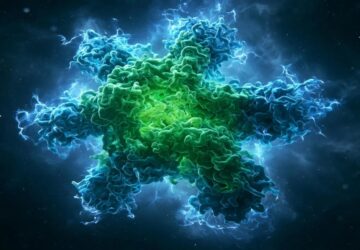
Much like paper must be folded into the correct shape to create an origami sculpture, proteins inside cells must form precise three-dimensional structures before they can function properly.
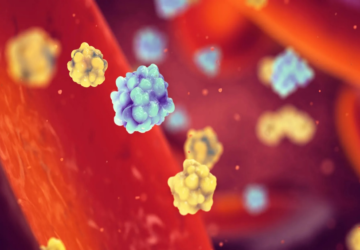
As prediabetes advances toward diabetes, this delicate process can begin to break down. Misfolded and defective proteins accumulate inside cells, creating stress that can damage the pancreatic cells responsible for producing insulin.
Researchers from Sanford Burnham Prebys Medical Discovery Institute and the University of Michigan reported new details about this process on June 1, 2026, in the Proceedings of the National Academy of Sciences. Their findings reveal how insulin-producing cells coordinate protein folding and what happens when that system falls out of balance. The work suggests that strengthening the cellular machinery responsible for folding proteins could help protect these cells from damage.
Source: sciencedaily.com