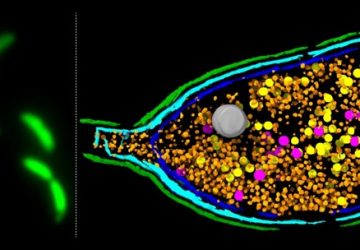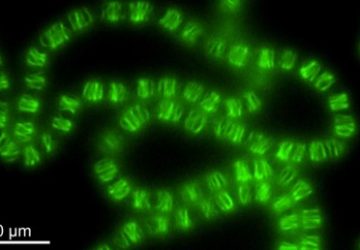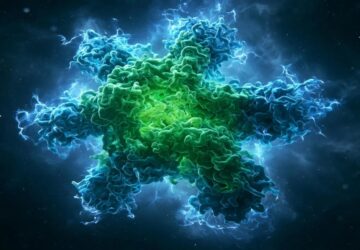
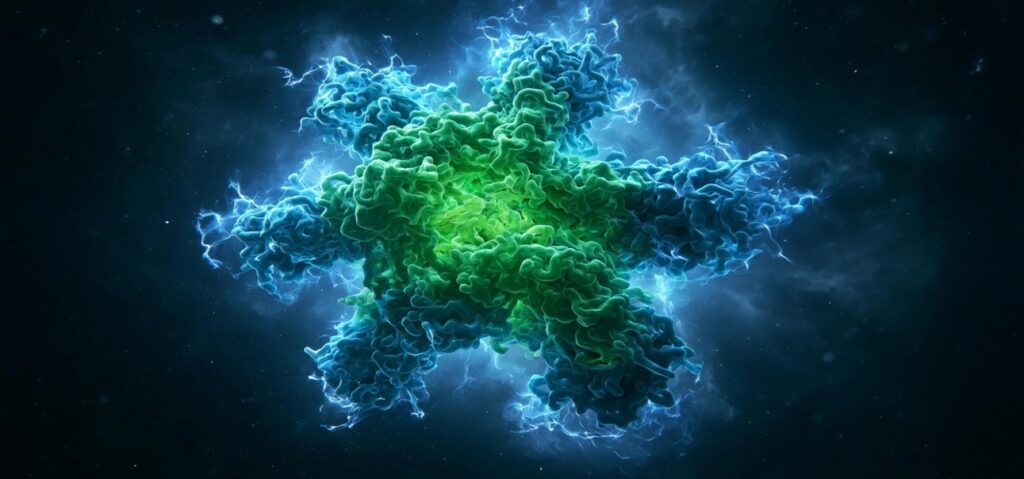
Researchers rebuilt long-extinct versions of a crucial enzyme that helps make nitrogen available to life, offering an unprecedented glimpse into Earth’s distant past. The breakthrough could aid the search for extraterrestrial life while helping scientists tackle future food-production challenges on Earth and beyond.
Scientists have recreated ancient nitrogen-fixing enzymes, opening a rare window into the biology of Earth’s earliest life.
Nitrogen is essential for every known form of life on Earth. Now, scientists say this common element may also help explain how the earliest life evolved on our planet and how life could develop elsewhere in the universe.
“All living organisms need nitrogen to survive and, though it’s all around us, we can’t access it directly,” says Utah State University biochemist Lance Seefeldt. “Enzymes called nitrogenases enable nitrogen fixation, which converts nitrogen to a form plants, animals, humans and other life forms can access. And we’re just beginning to understand the extent to which, over the Earth’s four-billion-year history, these nitrogenases have evolved.” In a study published in Nature Communications, Seefeldt, USU senior scientist Derek Harris, and collaborators from the NASA-funded Metal Utilization and Selection across Eons (MUSE) project at the University of Wisconsin-Madison used synthetic biology to work backward from modern nitrogenases and reconstruct possible ancestral versions of these enzymes.
Source: ScienceDaily.com