
Stress may literally scramble the brain’s internal GPS. Researchers found that cortisol, a hormone released during stress, made people significantly worse at navigating a virtual environment and disrupted the precise activity of grid cells, specialized brain cells that help us understand where we are in space. When landmarks were missing, this navigation system nearly stopped functioning, while another brain region appeared to step in and compensate.
Cortisol can scramble the brain’s internal GPS, potentially revealing a surprising link between chronic stress, navigation problems, and Alzheimer’s disease.
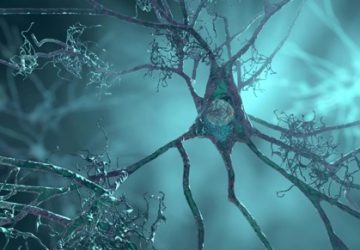
The stress hormone cortisol can interfere with the brain system that helps people navigate and stay oriented. Researchers from Ruhr University Bochum in Germany found that cortisol weakens the activity of grid cells, specialized nerve cells that are essential for spatial navigation.
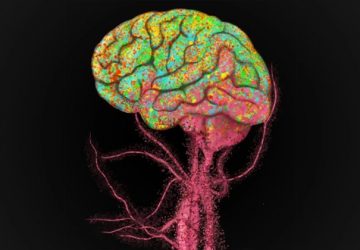
The finding comes from an imaging study involving 40 participants who completed a virtual navigation task while researchers monitored their brain activity with MRI. When participants were given cortisol before the experiment, they had more difficulty finding their way, and the normally precise activity patterns produced by grid cells became much less distinct. The findings were published in PLOS Biology.
Stress is already known to influence thinking and behavior, but researchers have had a limited understanding of how cortisol affects the specific brain circuits involved in navigation. Dr. Osman Akan from the Ruhr University Bochum, Department of Cognitive Psychology, worked with colleagues from the Department of Neuropsychology and researchers from University Hospital Hamburg-Eppendorf to examine this process more closely.
https://www.sciencedaily.com/releases/2026/08/260807035151.htm