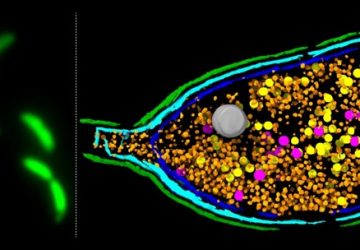
Cyanobacteria—ancient microbes that oxygenated Earth and made complex life possible—are still revealing surprises billions of years later. Scientists have now discovered that a molecular system once used to separate DNA has been repurposed into something entirely different: a structure that shapes the cell itself.
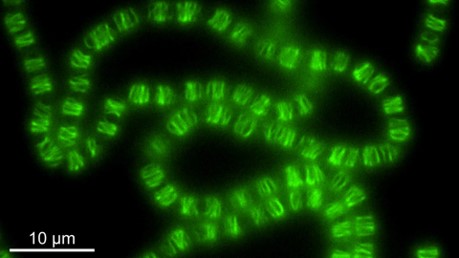
Photosynthetic bacteria played a major role in shaping Earth as we know it. Among them, cyanobacteria stand out for producing the oxygen that filled our atmosphere and allowed complex life to emerge. Now, scientists at the Institute of Science and Technology Austria (ISTA) have uncovered a surprising twist in how these organisms work. A biological system once believed to separate DNA has instead evolved to control the shape of cyanobacterial cells. The findings, published in Science, offer new insight into how protein systems change over time and how multicellular life developed in these ecologically important bacteria.
“Cyanobacteria are essentially pioneers of oxygenic photosynthesis,” says Benjamin Springstein, a postdoc in the Loose group at the Institute of Science and Technology Austria (ISTA).
“They are responsible for the Great Oxygenation Event about 2.5 billion years ago, when oxygen accumulated in the atmosphere and made aerobic life possible. Without them, it’s safe to say that none of us would be here today.”
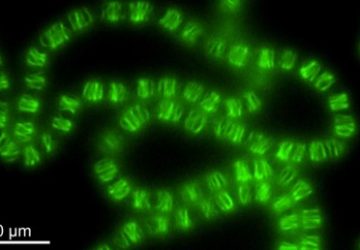
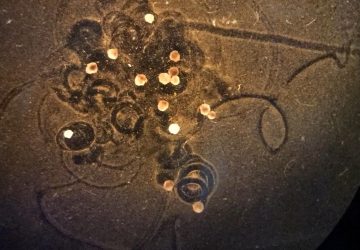
Even today, cyanobacteria remain essential to life on Earth. They contribute heavily to global biomass and play central roles in carbon and nitrogen cycles. These organisms are highly adaptable, living in extreme conditions ranging from hot springs to the Arctic, as well as on surfaces like roofs and walls in cities. One species in particular, Anabaena sp. PCC 7120 (or simply Anabaena), has been studied for over three decades and serves as a model for understanding multicellular cyanobacteria.
https://www.sciencedaily.com/releases/2026/04/260420014733.htm