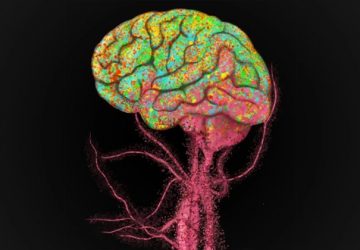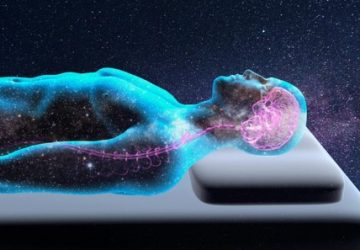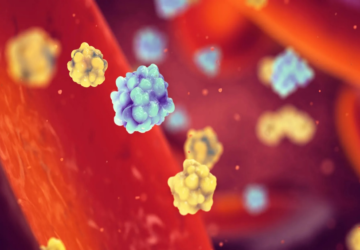
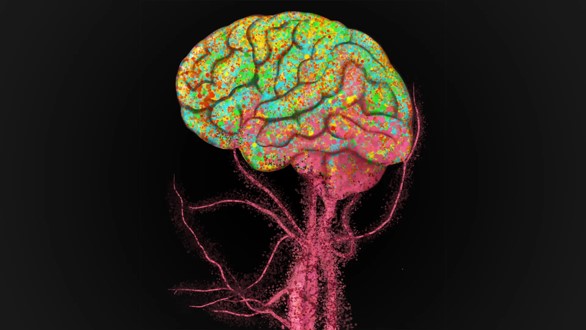
Scientists have discovered that the aging human brain may be far less isolated from the rest of the body than once believed. Stanford researchers found that large numbers of immune cells from the blood begin entering the brain as early as middle age, where they can transform into microglia, the brain’s specialized immune cells. The finding overturns a long-standing assumption that these cells remain largely separate from the body’s immune system throughout life.
For decades, scientists have generally viewed the brain’s immune system as largely separate from the immune defenses operating throughout the rest of the body. The brain has its own specialized immune cells, along with the blood-brain barrier, which restricts many substances and cells from entering brain tissue.
New research from Stanford is challenging that picture. Scientists found that large numbers of immune cells from elsewhere in the body enter the human brain as people age. The discovery could reshape scientists’ understanding of brain aging and may eventually create new possibilities for treating neurological diseases. The work, supported in part by the Knight Initiative for Brain Resilience at the Wu Tsai Neurosciences Institute, was published recently in the journal Nature.
“We usually think of the brain as a closed system,” said Julia Belk, a postdoctoral scholar in pathology at Stanford Medicine and first author on the new study. “What we found is that actually a lot of immune cells enter the human brain during aging.”
https://www.sciencedaily.com/releases/2026/08/260814011033.htm