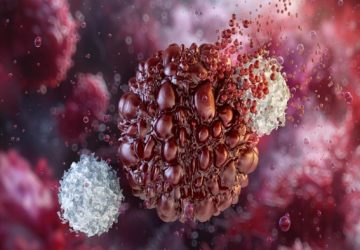

People who reach 110 and beyond appear to have unusually large numbers of rare immune cells capable of killing abnormal cells. These CD4 cytotoxic T cells became more common with age and often expanded into large groups of nearly identical cells, suggesting the immune system was repeatedly responding to persistent threats.
People who live to exceptionally old ages may retain an immune system that continues adapting to new threats. Researchers have found that supercentenarians, people who reach age 110 or older, carry unusually high levels of specialized immune cells called CD4 cytotoxic T lymphocytes (CD4 CTLs).
These cells have previously been shown to kill tumor cells in certain cancers. During illness, they can also reproduce rapidly through a process called clonal expansion, helping the immune system respond to infection. New research published August 19 in the Cell Press journal Cell Reports suggests that this same type of immune activity may be associated with healthy aging in people who live beyond 110.
“Immune aging is not simply a process of decline,” says first author Kosuke Hashimoto, an associate professor at the University of Osaka in Japan. “The selective expansion of certain T cells suggests that, even in extreme old age, the immune system may continue to adapt to age-related challenges.”
https://www.sciencedaily.com/releases/2026/08/260823014950.htm