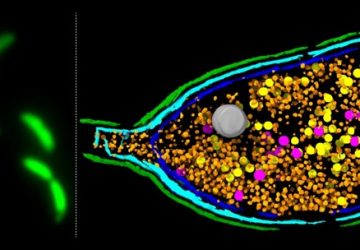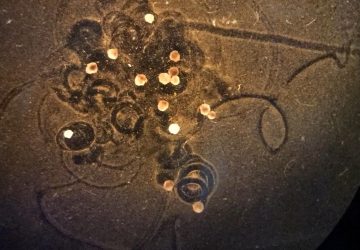
A new study found that chronic wasting disease can sometimes spread silently, with infectious prions present even in animals that show no symptoms. While there is no confirmed human risk, researchers say the disease’s ability to evolve and spread across species warrants close attention. Scientists uncovered a hidden side of chronic wasting disease: infectious prions may spread unnoticed, raising new questions as the fatal wildlife disease continues to expand. Chronic…
Read MoreScientists discover inherited traits that break Mendel’s Laws of genetics
A major mouse study found that some inherited traits are passed down through epigenetic changes that break the classic rules of genetics. Researchers discovered hundreds of cases where these chemical DNA marks behaved unexpectedly, including some that seemed to emerge out of nowhere. They also identified the first known naturally occurring paramutation in a mammal, hinting that environmental influences may play a larger role in inheritance than scientists realized. Genetic…
Read MoreScientists find natural compounds that hit COVID-19 from every angle
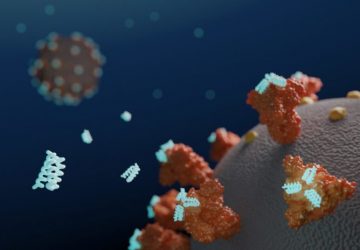
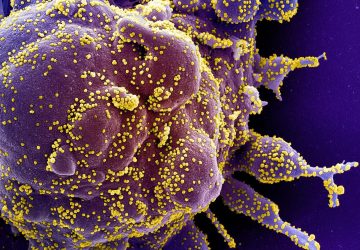
Researchers have identified a group of natural compounds from a Brazilian tree that show promising activity against the virus responsible for COVID-19. The compounds, known as galloylquinic acids, were extracted from the leaves of Copaifera lucens Dwyer, a species native to Brazil’s Atlantic Forest. Laboratory findings suggest these molecules can interfere with the virus in several different ways, offering a broader approach than many existing antiviral strategies. The research focused on Copaifera…
Read MoreGenetic Breakthrough as “Longevity Gene” Successfully Extends Lifespan in Mammals
ROCHESTER, N.Y. — In a groundbreaking study that could redefine the future of aging research, scientists at the University of Rochester have successfully transferred a longevity gene from naked mole rats to mice. The result is a significant improvement in health and a notable extension of the mice’s lifespan. Scientists borrowed a longevity secret from naked mole rats and used it to make mice healthier and live longer. Naked mole…
Read MoreSeal Adaptation Boosts Reproductive Health
Wild animals that have acquired adaptions to maximize their reproductive output in some of the world’s most extreme conditions may provide answers to some of the most pressing problems in the field of human reproductive health. A newly published article by Michelle Shero, assistant scientist at the Woods Hole Oceanographic Institution’s (WHOI) Biology Department, examines how the study of seals in particular can benefit human health, and it integrates various…
Read MoreResearchers evoke sense of touch through brain implant electrodes
In a first-in-human study, researchers at The Feinstein Institutes for Medical Research elicited the sense of touch through a minimally-invasive electrode brain implant. This research, published recently in Brain Stimulation, has the potential to help millions of people who live with paralysis and neuropathy. Many illnesses and injuries, including stroke, diabetes or spinal cord injury, can produce loss of touch, which makes everyday movements difficult and takes an emotional toll…
Read MoreInnovative Coating for Blood Vessels Substantially Reduces Rejection of Transplanted Organs
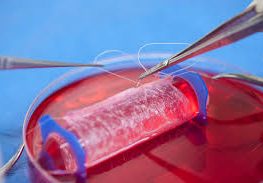
Researchers have found a way to reduce organ rejection following a transplant by using a special polymer to coat blood vessels on the organ to be transplanted. The polymer, developed by UBC medicine professor Dr. Jayachandran Kizhakkedathu and his team at the Centre for Blood Research and Life Sciences Institute, substantially diminished rejection of transplants in mice when tested by collaborators at SFU and Northwestern University. “We’re hopeful that this breakthrough will…
Read MoreNew DNA Technology Based on CRISPR Could Revolutionize Medical Diagnostics
Scientists have repurposed the genetic modification technology CRISPR to identify antibodies in patient blood samples in a move that could inspire a new class of medical diagnostics in addition to a host of other applications. The technology involves customizable collections of proteins which are attached to a variant of Cas9, the protein at the heart of CRISPR, that will bind to DNA but not cut it as it would when…
Read MoreSoft skin patch could provide early warning for strokes, heart attacks
Engineers at the University of California San Diego have developed a soft and stretchy ultrasound patch that can be worn on the skin to monitor blood flow through major arteries and veins deep inside a person’s body. Knowing how fast and how much blood flows through a patient’s blood vessels is important because it can help clinicians diagnose various cardiovascular conditions, including blood clots, heart valve problems, poor circulation in…
Read More