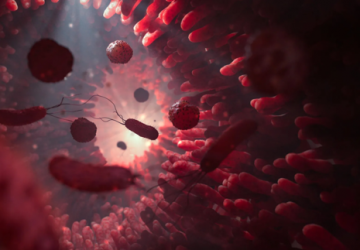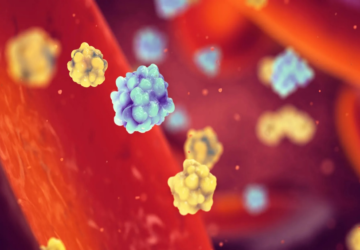
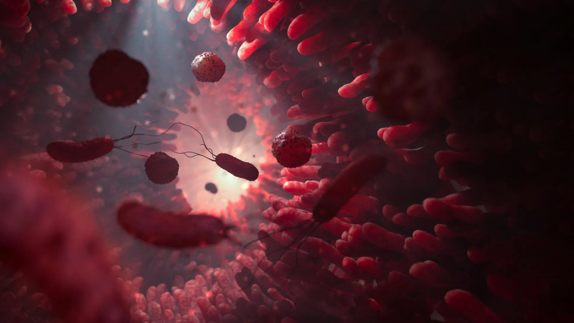
Gut microbes need something to eat, and when fiber is limited, they may begin consuming proteins from the mucus lining that protects the gut. Researchers found that fiber can suppress this process, while indigestible plant proteins help microbes produce more beneficial compounds.
Plant based diets support health in several ways, including benefits for the gut, immune system, metabolism, and cardiovascular system. Part of that effect comes from encouraging a diverse population of bacteria in the intestines. Scientists have long known that dietary fiber contributes to these benefits because gut microbes help break it down. Plants also contain colorful “phytochemicals” that help protect them from environmental threats and may influence human health. Even so, researchers are still working to understand exactly how gut bacteria process the many components of plant foods and how those interactions produce beneficial effects.
Two studies led by Ludwig Princeton’s Jenna AbuSalim and Director Joshua Rabinowitz offer new insight into that process. One appears in the current issue of the Proceedings of the National Academy of Sciences, while the other was published in Nature Metabolism in June. The first study found that plant fiber and certain plant proteins can change microbial metabolism in ways that increase beneficial metabolites while reducing harmful ones. The second showed that several biologically important metabolites usually credited to gut microbes can also be produced in substantial amounts by mammalian metabolism.
“There’s growing interest across medical disciplines in manipulating the human microbiome or using its metabolic products themselves for therapy,” said Rabinowitz. “Diet holds great promise for controlling the microbiome and its outputs. But to devise effective therapeutic interventions, we need to understand what aspects of the diet control which microbial outputs.”
https://www.sciencedaily.com/releases/2026/08/260814235842.htm