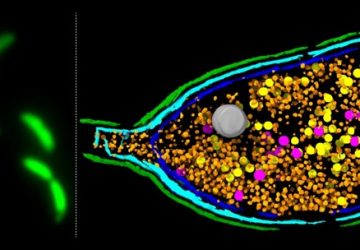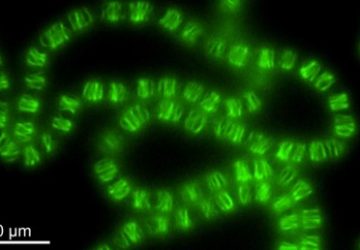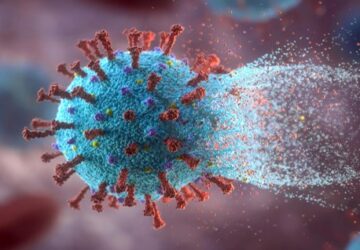
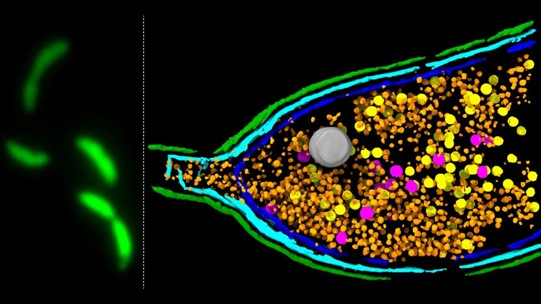
Scientists have uncovered a surprising twist in how bacteria share genes—including those that spread antibiotic resistance. Tiny virus-like particles called gene transfer agents (GTAs), once ancient viral invaders, have been repurposed by bacteria into delivery systems that shuttle DNA between neighboring cells. The study reveals a key control hub of three genes, dubbed LypABC, that triggers bacterial cells to burst open and release these DNA-packed couriers.
Scientists have uncovered new details about how bacteria share genes, including those that drive antimicrobial resistance (AMR), a growing global health threat. The findings come from researchers at the John Innes Centre, who studied unusual particles known as gene transfer agents (GTAs).
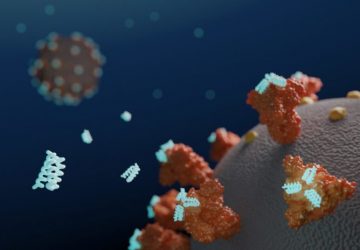
GTAs resemble bacteriophages (viruses that infect bacteria), but they are no longer harmful invaders. Instead, they are derived from ancient viruses that bacteria have adapted and brought under their own control.
https://www.sciencedaily.com/releases/2026/04/260416071953.htm