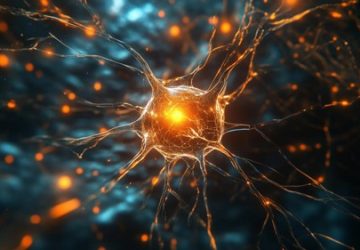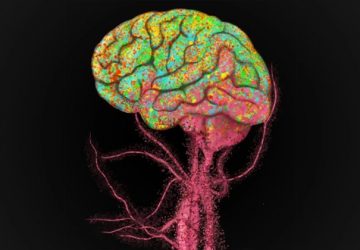
Stress may literally scramble the brain’s internal GPS. Researchers found that cortisol, a hormone released during stress, made people significantly worse at navigating a virtual environment and disrupted the precise activity of grid cells, specialized brain cells that help us understand where we are in space. When landmarks were missing, this navigation system nearly stopped functioning, while another brain region appeared to step in and compensate. Cortisol can scramble the…
Read MoreScientists discover a hidden brain shift that begins around age 50
Beginning around age 50, the brain’s memory center appears to lose many of its longtime immune cells and replace them with more inflammatory ones. This surprising shift may help explain how normal aging sets the stage for Alzheimer’s disease and dementia. A hidden immune-cell transformation beginning in midlife may help explain why the aging brain becomes increasingly vulnerable to inflammation and dementia. A study funded by the National Institutes of…
Read MoreDirty air may trigger painful rheumatoid arthritis flares
Tiny pollution particles from smoke, soot, and dust may worsen rheumatoid arthritis and raise the risk of painful flares, particularly after prolonged exposure. The findings suggest that avoiding poor air quality could become an important part of managing the disease. Air pollution may make rheumatoid arthritis more active and increase the likelihood of painful flare-ups, according to a new study. The strongest connection involved fine particulate matter found in dust,…
Read MoreScientists catch a “jumping gene” mid-leap between species
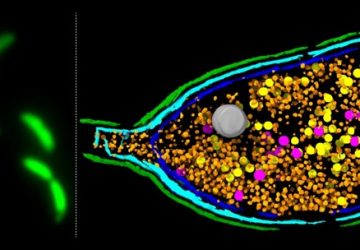
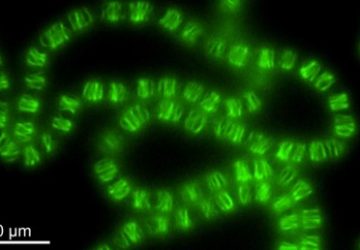
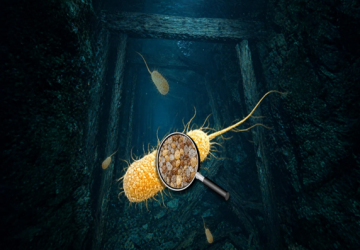
Scientists have uncovered a surprising way that “jumping genes” may move between species and speed up evolution. While these mobile genetic elements were thought to travel mainly inside viruses or plasmids, researchers found circular intron RNA from a tiny predatory bacterium inside the dead cells of another microorganism. Because the RNA forms a stable ring that resists breakdown, it may provide jumping genes with a previously unknown route for spreading…
Read MoreWithout this protein, damaged muscle turns to fat and scar tissue
A protein once thought to mainly protect chromosome ends may also be essential for keeping muscle stem cells ready to repair injuries. Researchers found that TRF2 helps these cells maintain their identity and coordinate the cycle of rest, repair, and renewal. A protein best known for protecting chromosomes may also be one of the hidden keys to muscle repair and muscular dystrophy. A protein traditionally associated with protecting chromosome ends…
Read MoreScientists discover why poor sleep may harm some brains more
A gene involved in the brain’s overnight cleaning system may change how strongly poor sleep affects Alzheimer’s-related brain changes. The findings point toward more personalized prevention strategies based on both genetics and sleep habits. Poor sleep may be especially damaging for people carrying certain genes linked to the brain’s nighttime waste-removal system. New research from Edith Cowan University (ECU) suggests that sleep habits and genetics may interact to influence subtle…
Read MoreScientists discover why poor sleep may harm some brains more
A gene involved in the brain’s overnight cleaning system may change how strongly poor sleep affects Alzheimer’s-related brain changes. The findings point toward more personalized prevention strategies based on both genetics and sleep habits. Poor sleep may be especially damaging for people carrying certain genes linked to the brain’s nighttime waste-removal system. The study, conducted by ECU’s Centre for Precision Health (CPH), examined the aquaporin-4 (AQP4) gene. This gene helps…
Read MoreBlood cancer’s genetic warning signs may appear years early
Blood cancers that eventually worsen may carry detectable genetic warning signs years before patients develop serious symptoms. The findings could lead to earlier intervention while also helping doctors distinguish true cancer from harmless age-related blood changes. Genetic “family trees” of blood cells may reveal years in advance which cancers will progress and which patients may not have cancer at all. Long-term tracking of chronic blood cancers has revealed major genetic…
Read MoreMisfolded insulin may be quietly driving diabetes
Researchers found that insulin-producing cells depend on a team of helper proteins to keep insulin production on track. When one key partner was missing, damaged proteins built up and the cells made less insulin. Strengthening this system could offer a new way to protect the pancreas as diabetes progresses. A hidden protein problem inside insulin-producing cells could lead to a new way to slow diabetes-related damage. Much like paper must…
Read MoreScientists resurrect 3.2-billion-year-old enzyme to reveal how life began on Earth
Researchers rebuilt long-extinct versions of a crucial enzyme that helps make nitrogen available to life, offering an unprecedented glimpse into Earth’s distant past. The breakthrough could aid the search for extraterrestrial life while helping scientists tackle future food-production challenges on Earth and beyond. Scientists have recreated ancient nitrogen-fixing enzymes, opening a rare window into the biology of Earth’s earliest life. Nitrogen is essential for every known form of life on…
Read More